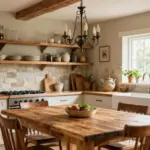
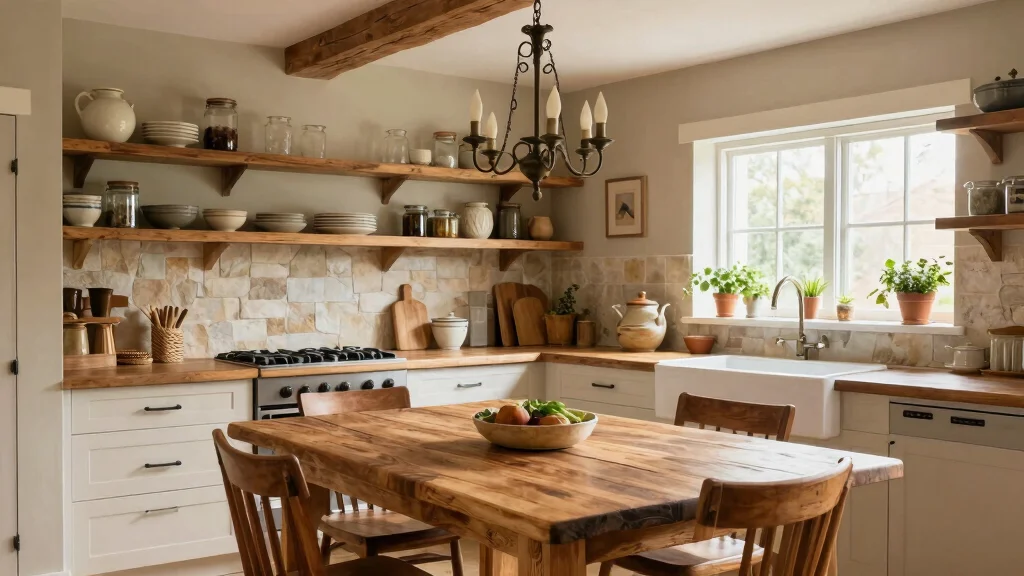
Creating a rustic kitchen filled with warm natural textures can transform your home into a cozy retreat. If you’re anything like me, the charm and comfort of farmhouse style kitchens pull you in. I’ve come to appreciate how warm wood accents and natural textures can create an inviting atmosphere. Whether you’re a seasoned home decorator or just starting, this guide is designed with you in mind. It’s perfect for anyone looking to infuse a little rustic magic into their kitchen space.
In this blog post, I’ve gathered 12 kitchen ideas that highlight the beauty of rustic decor. You’ll find concepts that celebrate the warmth of wood, the appeal of vintage finds, and the comforting presence of natural materials. Each idea is crafted to help you create a kitchen that feels not only stylish but also deeply personal. By the end, you’ll be equipped with a variety of practical tips that can transform your cooking space into a heartwarming haven.
Let’s dive into these rustic kitchen ideas that embrace warm natural textures and create a cozy kitchen design you’ll love coming home to.
Key Takeaways
– Open Shelving: Embrace open shelving to showcase your beautiful dishes and add depth to your kitchen design. It creates a visually appealing display and invites warmth into the space.
– Warm Wood Accents: Incorporate warm wood accents through cabinets, countertops, or beams to enhance the rustic feel. This adds a natural touch and elevates the overall aesthetic.
– Natural Stone Backsplashes: Use natural stone for your kitchen backsplash to bring in earthy elements. This not only adds texture but also creates a stunning focal point.
– Vintage Finds: Bring in vintage items like cookware or decor pieces for a charming, lived-in vibe. These unique touches tell stories and connect you to the past.
– Cozy Textiles: Add cozy textiles such as tablecloths, curtains, or cushions to soften the space. Textiles introduce warmth and comfort, making your kitchen inviting for family and friends.
1. Embrace Open Shelving
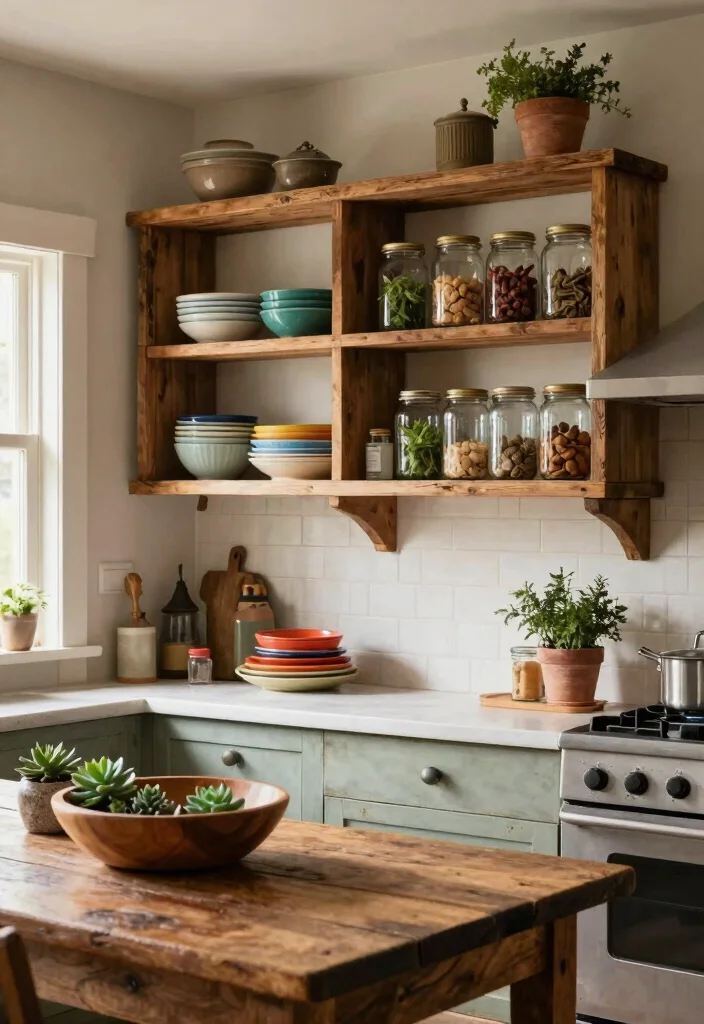
Open shelving is a signature feature of rustic kitchen design, allowing you to showcase your favorite dishes and tools while infusing personal charm into your space. This design choice fosters a sense of curation, inviting you to display beautiful ceramics, vintage finds, or vibrant mason jars. Picture a shelf adorned with handcrafted wooden bowls, unique pottery, and a colorful array of spice jars, each piece adding its own narrative to the kitchen’s story.
Implementing open shelves enhances organization and accessibility, making meal prep smoother and more enjoyable. They also create an airy feel, making small kitchens appear larger and more inviting. With a few thoughtful adjustments, you can easily bring this trend into your home.
Consider these styling tips for your open shelves:
– Mix textures: Combine wood, glass, and metal for visual appeal.
– Add greenery: Incorporate herbs or small plants to liven up the space.
– Change as needed: Refresh your shelves with seasonal decor for a fresh look.
This approach personalizes your kitchen while enhancing functionality. Plus, if you’re feeling handy, crafting your own rustic shelves from reclaimed wood can add a truly unique flair.
Embrace Open Shelving
Editor’s Choice


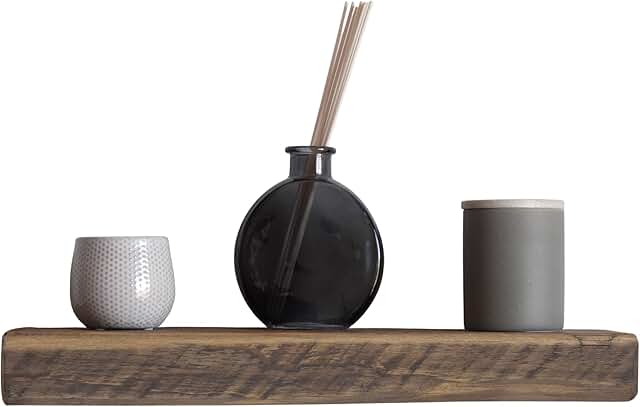
Reclaimed Wood Floating Shelves Real Solid Thick Wood Rustic Shelf Handmade


Key Trade-offs & Our Top Pick
Option 1: Open Shelving
– Pros:
– Creates an airy feel, making your kitchen look larger.
– Encourages you to display beautiful dishware, adding personality and warmth.
– Cons:
– Requires regular dusting and cleaning to keep everything looking nice.
– Can become cluttered quickly if not organized well.
– Best for: Those who love showcasing their collection and enjoy a more casual kitchen atmosphere.
Option 2: Warm Wood Accents
– Pros:
– Adds warmth and coziness to the kitchen decor.
– Versatile enough to blend with various styles, from farmhouse to modern.
– Cons:
– Wood can be prone to scratches and requires maintenance.
– Might not suit every kitchen layout or personal taste.
– Best for: Homeowners looking to add a touch of natural texture without overwhelming their space.
Option 3: Natural Stone Backsplashes
– Pros:
– Offers a unique and luxurious look that is durable and easy to clean.
– Natural variations in stone create a one-of-a-kind feature.
– Cons:
– Can be expensive, depending on the type of stone chosen.
– Installation requires professional help, which can add to the cost.
– Best for: Those wanting to make a bold statement while keeping practicality in mind.
Option 4: Cozy Textiles
– Pros:
– Softens the space and introduces color and patterns easily.
– Affordable and easy to replace, allowing for quick updates.
– Cons:
– Fabrics can absorb odors and stains, requiring frequent washing.
– Might clash with the overall rustic theme if not chosen carefully.
– Best for: Individuals who love to change their decor frequently without significant investments.
Option 5: Rustic Lighting Fixtures
– Pros:
– Enhances the rustic charm and creates a warm ambiance.
– Available in various styles, from vintage to industrial, easily fitting most designs.
– Cons:
– Can be costly upfront, especially for high-quality pieces.
– May require professional installation, causing additional expenses.
– Best for: Homeowners looking to elevate their kitchen’s atmosphere with striking light features.
Expert Recommendation:
Best Overall: Warm Wood Accents
Warm wood accents stand out as the best overall choice for creating a rustic kitchen. They blend seamlessly with various styles and provide lasting beauty. The versatility of wood allows you to pair it with other elements like stone or textiles, enhancing your kitchen’s warmth. Plus, investing in quality wood pieces can offer excellent long-term durability, making them worth the price.
Why We Picked This:
Warm wood accents cater to those who appreciate natural elements but may not want the upkeep of open shelving. For individuals looking for bold features, natural stone backsplashes or rustic lighting fixtures may be more appealing. Cozy textiles are excellent for renters or those who love to change up their decor often. Each option has its own charm; the key is finding what best fits your kitchen’s style and your personal preferences.
2. Incorporate Warm Wood Accents
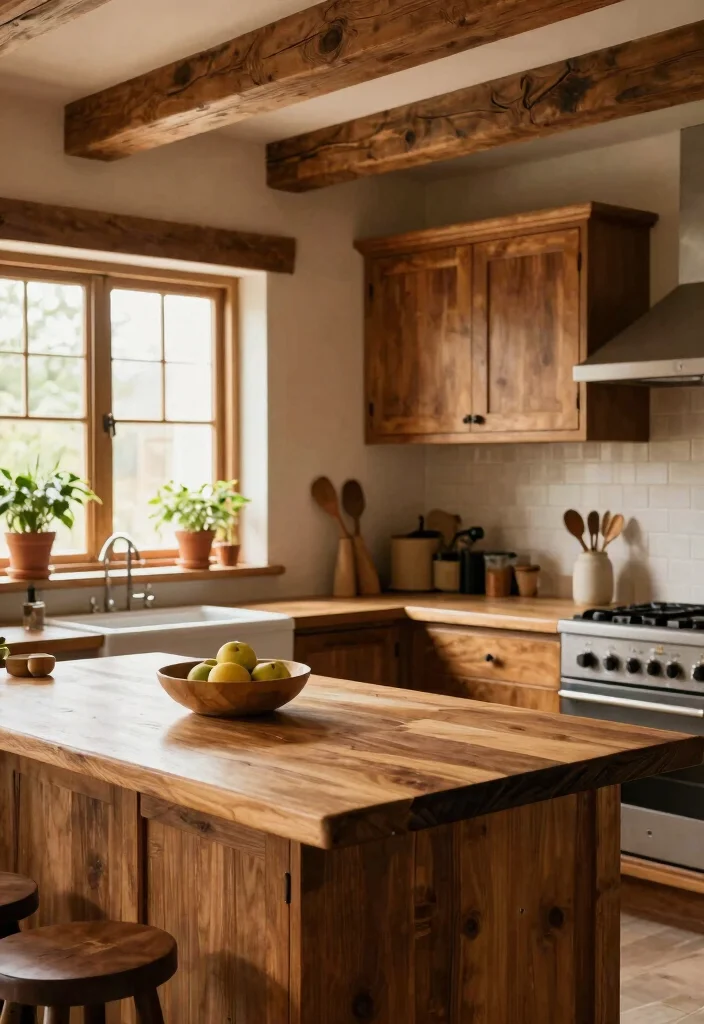
Wood serves as the foundation of rustic kitchen design, and adding warm wood accents can convert a stark kitchen into a cozy haven. Whether you choose wooden cabinets, exposed beams, or a butcher block countertop, these elements instill warmth and character throughout the space. The natural tones of wood connect you to nature, creating an inviting atmosphere that feels like home.
To achieve depth and contrast, consider using various wood finishes. For instance, a dark-stained island can beautifully complement lighter cabinetry, striking a balance that enhances the overall aesthetic. Mixing wood tones is essential, as it creates harmony while adding visual interest.
Styles to consider:
– Reclaimed wood: Brings history and charm to your kitchen.
– Distressed finishes: Offers a rustic touch with a lived-in vibe.
– Live edge counters: Showcases the natural beauty of wood.
This design strategy embraces imperfections that add character, allowing your space to feel both elegant and relaxed. Let the wood elements shine, bringing a touch of the outdoors into your kitchen.
3. Use Natural Stone for Backsplashes
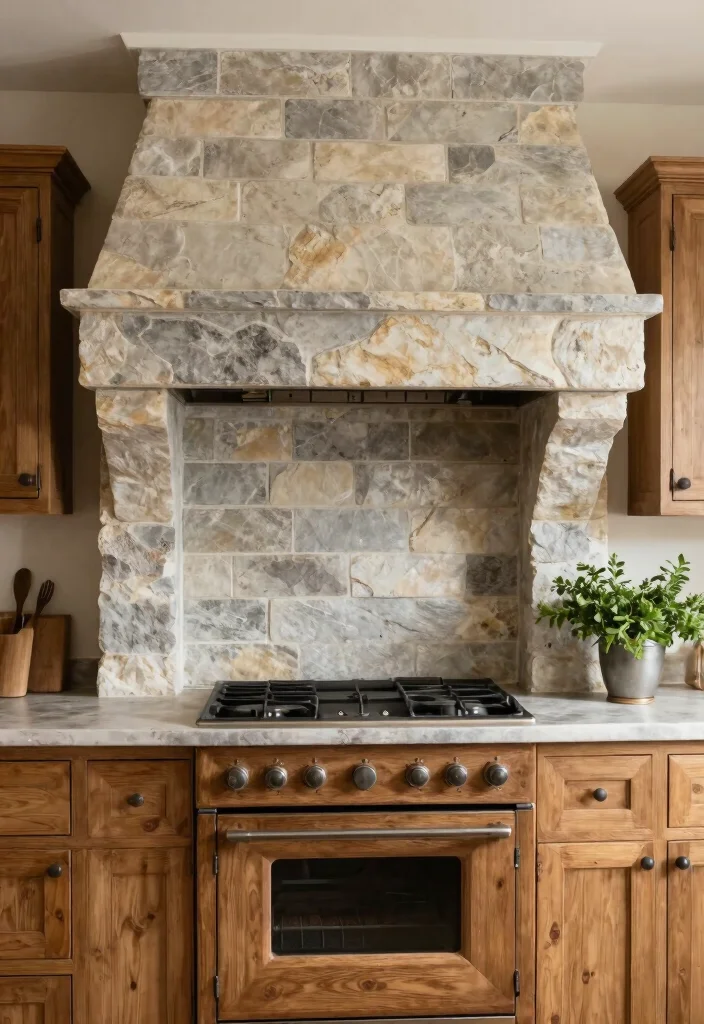
Natural stone backsplashes can introduce stunning texture and depth to your rustic kitchen. Opt for materials like slate, marble, or limestone to create a captivating focal point behind your stove or sink. Each stone brings unique patterns and colors, enhancing the character and sophistication of your kitchen’s design.
Besides aesthetics, a stone backsplash is practical, resisting moisture and simplifying cleaning. When paired with wooden cabinets or metal fixtures, it balances the design, creating a grounded yet elevated look.
Ideas for using natural stone:
– Classic subway tiles: Use in a rustic finish for a timeless appearance.
– Mosaic patterns: Combine different stones for a creative twist.
– Full wall installation: Extend the backsplash to the ceiling for a dramatic effect.
Incorporating natural stone elements ties your kitchen to the earth, enhancing warmth and the overall ambiance. The diverse textures and colors beautifully complement wood, reflecting the essence of rustic charm.
Use Natural Stone for Backsplashes
Editor’s Choice


4. Bring in Vintage Finds
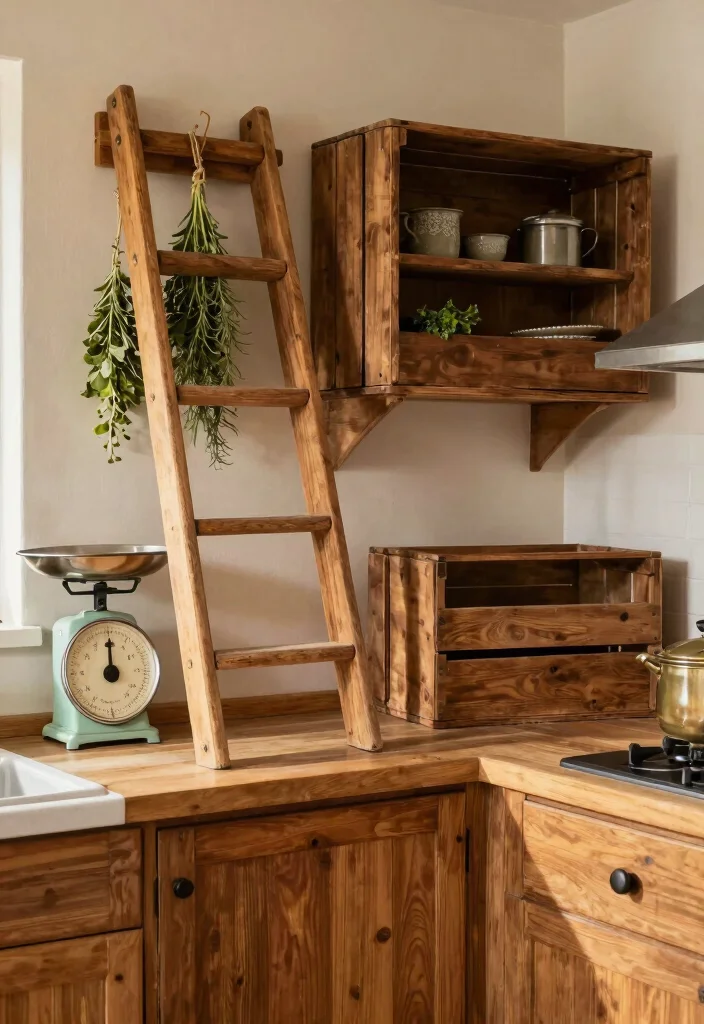
Adding vintage finds to your rustic kitchen brings personality and storytelling to the space. Search flea markets, yard sales, or antique shops for unique treasures like old scales, wooden crates, or vintage kitchen tools. These items not only add character but also celebrate a time-honored approach to cooking, perfectly aligning with the rustic theme.
Vintage displays can create intriguing focal points in your kitchen. For example, an antique wooden ladder can be repurposed for hanging kitchen towels or herbs, while an old barn door can serve as a distinctive cabinet front.
How to style vintage pieces:
– Create a vignette: Group items together on a shelf for visual interest.
– Use as functional decor: Incorporate vintage items into your daily kitchen use.
– Mix and match: Blend modern elements with vintage for an eclectic flair.
These unique finds not only become conversation starters but also enhance the rustic vibe, making your kitchen feel warm and inviting.
Fact: 75% of people say vintage finds instantly boost the kitchen ideas rustic vibe. Mixing old scales and wooden crates creates character and storytelling you’ll actually use. Scour flea markets and antique shops—your space will thank you with everyday inspiration.
Bring in Vintage Finds
Editor’s Choice


5. Add Cozy Textiles
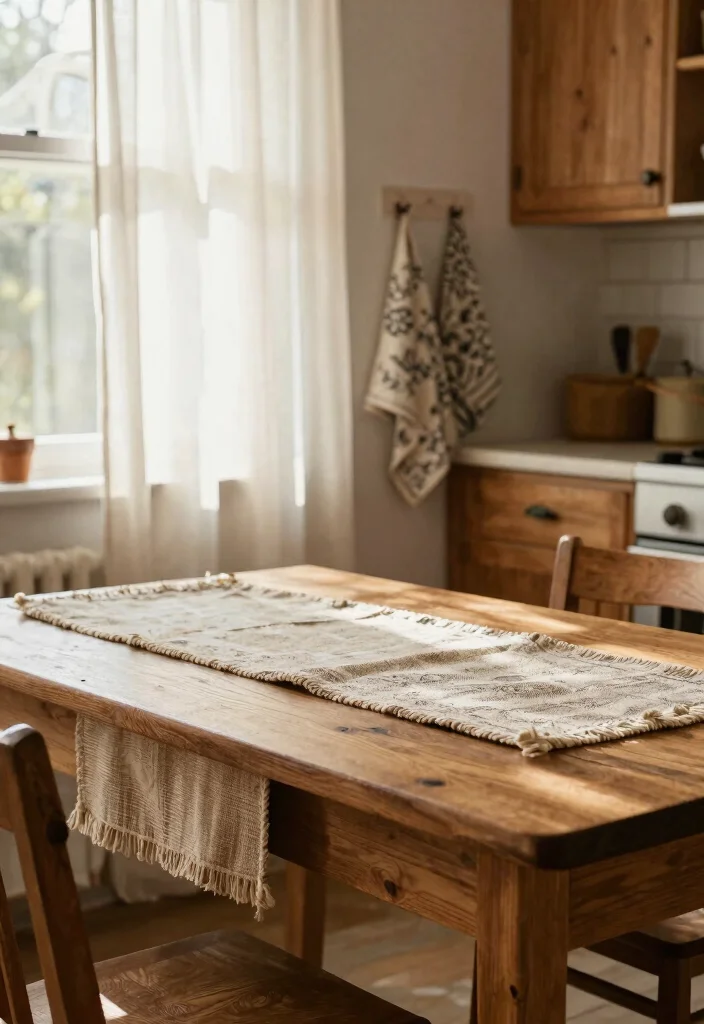
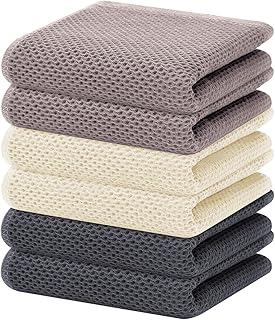
Textiles significantly contribute to creating a cozy kitchen atmosphere. Consider incorporating soft, inviting fabrics through curtains, table runners, and dish towels. Fabrics like linen, cotton, or burlap enhance the rustic theme while adding warmth and comfort to the space.
Patterned fabrics that reflect nature, such as floral or checkered designs, amplify the farmhouse feel. Mixing various textures—like soft cotton dish towels with chunky knit throws—creates a layered look that is both functional and visually appealing.
Ideas for incorporating textiles:
– Use table runners: Add a rustic touch to your dining area.
– Hang curtains: Light, airy fabrics soften window spaces and add warmth.
– Use patterned dish towels: Practical and colorful additions to your kitchen.
Cozy textiles engage the senses, fostering a warm and inviting kitchen atmosphere where culinary creativity can flourish.
Add Cozy Textiles
Editor’s Choice


6. Discover the Beauty of Earthy Color Palettes
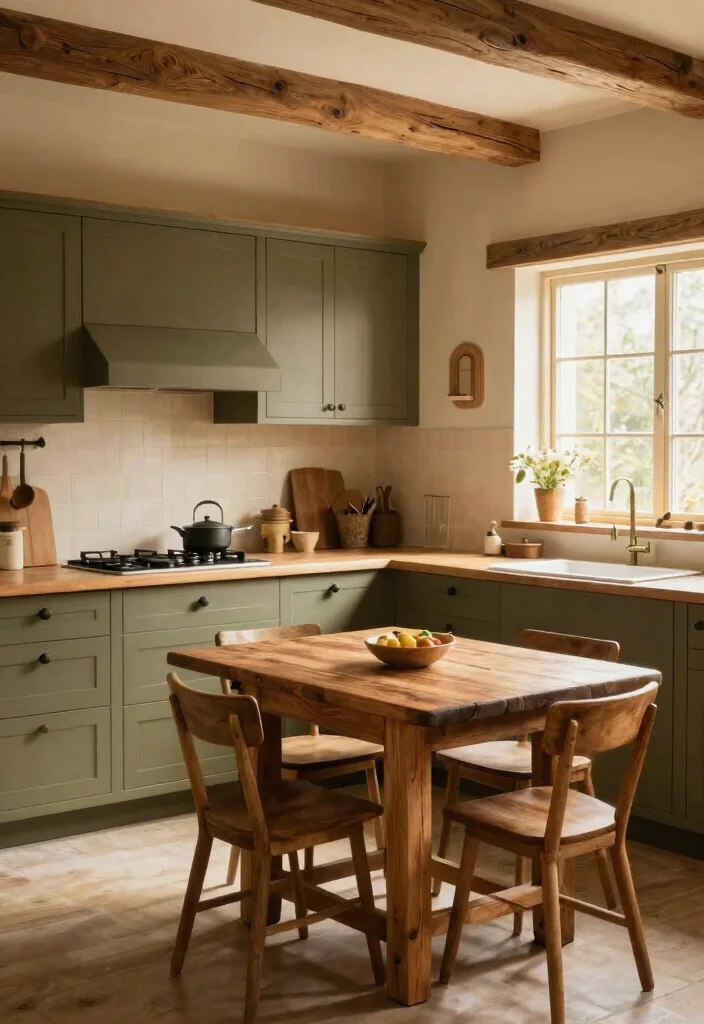
Color plays a crucial role in shaping the ambiance of your kitchen, and earthy palettes are ideal for achieving a rustic style. Hues inspired by nature—greens, browns, oranges, and muted yellows—instantly evoke warmth and comfort, making your kitchen feel inviting.
Consider painting cabinets in warm olive green or deep terracotta, or using neutral tones like taupe or cream for walls and furnishings. These choices provide a harmonious backdrop for your rustic decor and natural textures.
For selecting colors:
– Use an accent color: Choose a vibrant shade to pop against earthy tones.
– Test samples: Paint swatches on the wall to see how they appear in different lighting.
– Balance with neutrals: Pair bold colors with soft earth tones for a cohesive look.
An earthy color palette grounds your kitchen design, creating a warm and inviting environment where family and friends can gather and create cherished memories.
7. Stylishly Display Cookware
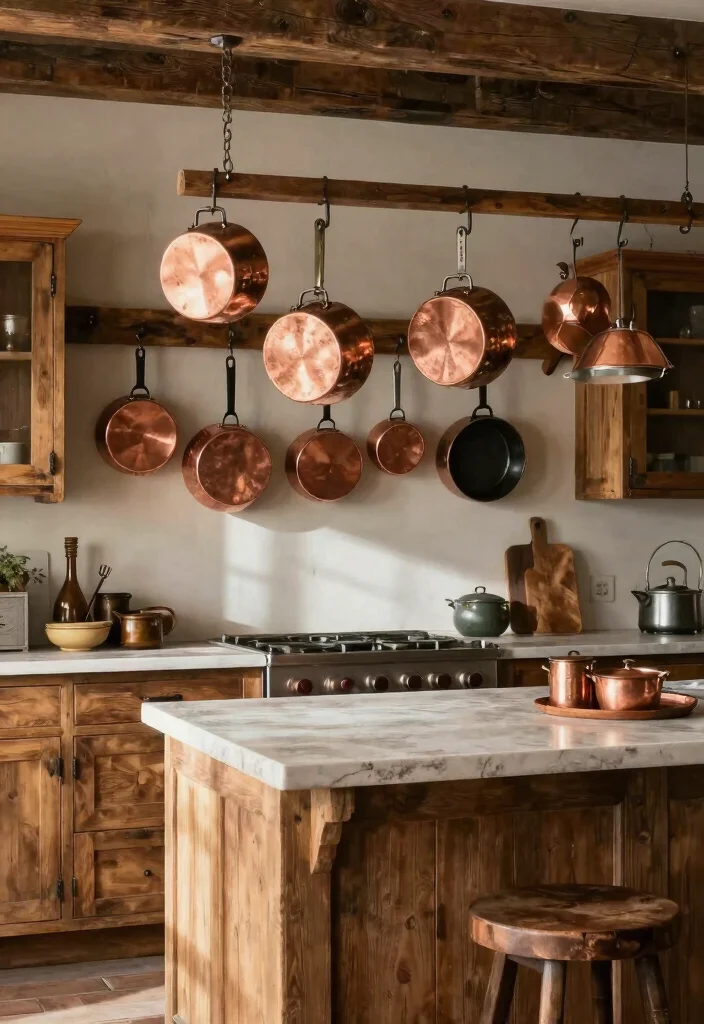
Displaying cookware can inject character and a personal touch into your rustic kitchen. Hanging pots and pans on a rack or showcasing them on shelves not only promotes functionality but also transforms cooking tools into decor. This keeps your kitchen organized while adding a decorative flair.
Consider incorporating a vintage pot rack or using wooden hooks to suspend your favorite cookware. The contrast between metal and wood creates a striking visual appeal that captures the essence of rustic style.
Ways to display cookware:
– Use a hanging rack: Opt for one made of wrought iron or distressed wood.
– Install open shelving: Place beautiful cookware on display among other rustic elements.
– Group by color or size: Arrange items for a cohesive, visually pleasing look.
Allowing your cookware to serve as decor enhances the rustic aesthetic while creating a practical kitchen where everything is within reach for cooking your favorite meals.
8. Utilize Rustic Lighting Fixtures
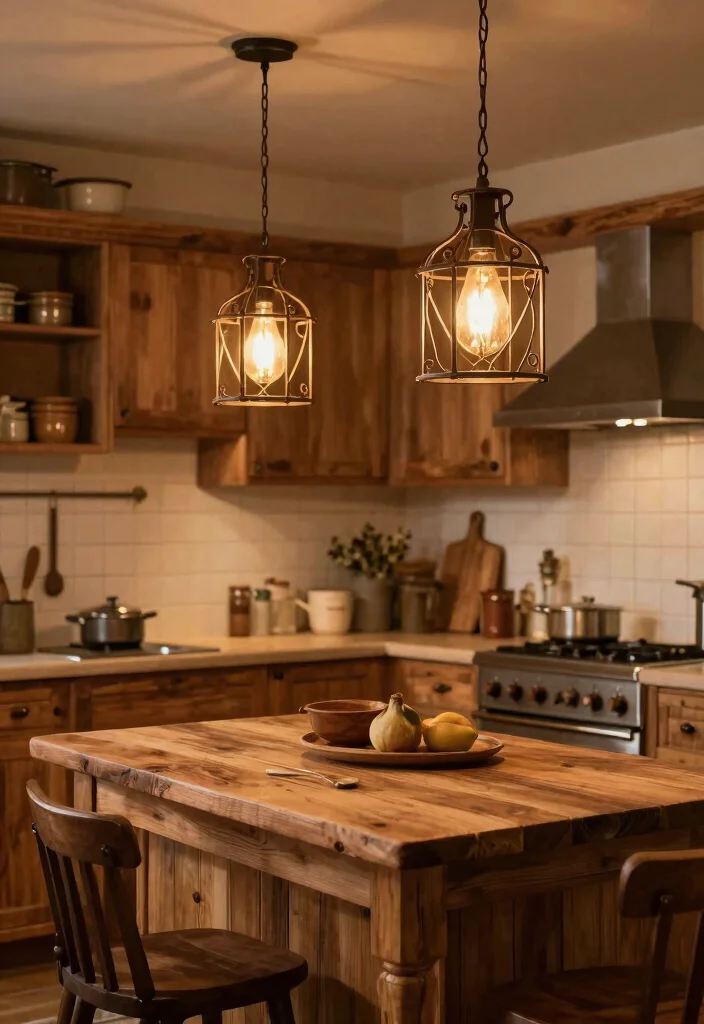
Lighting is critical in establishing the perfect ambiance in your rustic kitchen. Opt for rustic lighting fixtures such as wrought iron chandeliers, pendant lights, or vintage-inspired sconces to add character and set the mood for culinary adventures. The warmth of well-chosen light fixtures can instantly elevate the rustic charm of your kitchen.
Choose fixtures with exposed bulbs or reclaimed materials to remain in line with the rustic theme. Mixing different styles and heights can also create an interesting visual dynamic.
Additional tips for lighting:
– Layer lighting: Combine ambient, task, and accent lights for depth.
– Use warm light bulbs: Soft white or warm yellow tones create a cozy feel.
– Highlight features: Direct lighting to areas you want to showcase, like a beautiful backsplash or artwork.
Thoughtful lighting choices illuminate your workspace while enhancing the overall rustic feel, making your kitchen a delightful place to spend time.
Rustic lighting does more than glow—it guides mood. Replace generic fixtures with wrought iron or vintage sconces and watch your kitchen ideas rustic transform from flat to cozy. Pro tip: mix heights and exposed bulbs for authentic farmhouse charm that’s practical and timeless.
9. Introduce Vintage Appliances
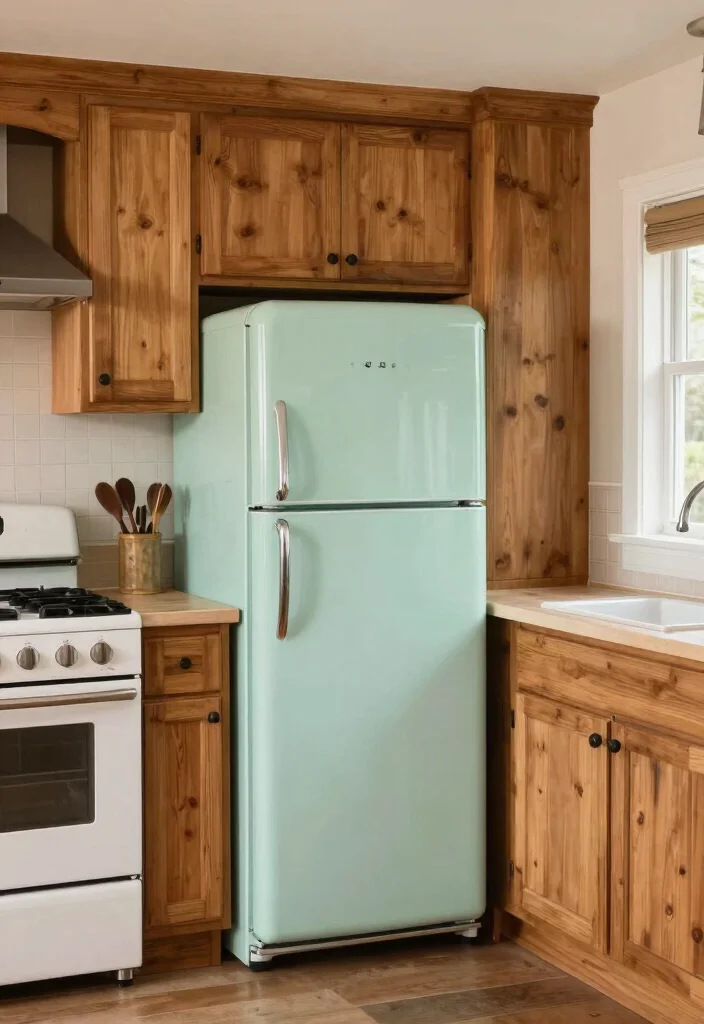
Introducing vintage appliances is a charming way to enhance your rustic kitchen. Look for retro-inspired refrigerators, stoves, or even dishwashers that combine classic aesthetics with modern functionality. These appliances embody the spirit of a rustic lifestyle while adding a unique touch to your kitchen design.
Colors like creamy white, pastel green, or classic red can make bold statements and enhance the quaint atmosphere of your space. Vintage appliances not only provide practical solutions for modern kitchens but also serve as eye-catching focal points.
For incorporating vintage appliances:
– Match finishes: Ensure the finishes complement other kitchen elements.
– Use as a focal point: Position them strategically to draw attention.
– Choose energy-efficient models: Look for those that blend vintage aesthetics with modern efficiency.
Adding vintage appliances to your kitchen design brings nostalgia, creating a warm and welcoming ambiance that feels like home.
10. Incorporate Rustic Flooring
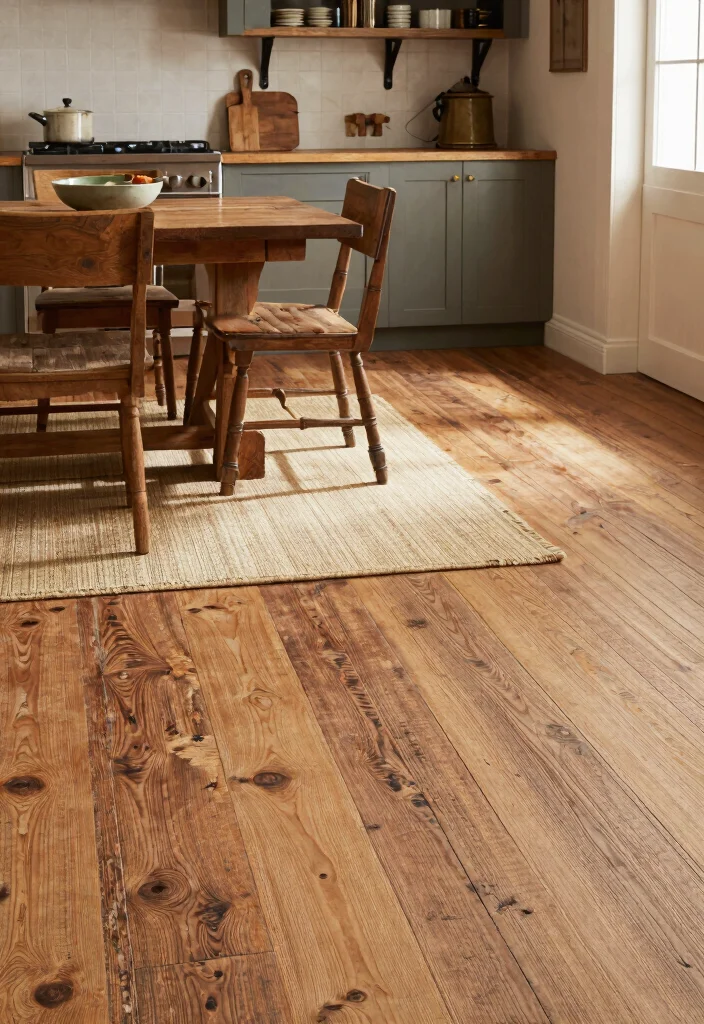
The right flooring can dramatically influence the feel of your rustic kitchen. Natural materials like hardwood, stone, or terracotta tiles provide warmth and authenticity that complements rustic decor. Consider distressed hardwood floors for a charming aged look or wide planks for a more modern rustic appeal.
Rugs can soften the look and offer comfort underfoot. Natural fiber rugs or vintage-style mats enhance the cozy aesthetic while protecting your flooring.
Options for rustic flooring:
– Reclaimed wood: Rich in character and history.
– Stone tiles: Durable and uniquely appealing.
– Painted cement: A fun way to introduce color and pattern.
Choosing the right flooring sets the stage for your kitchen’s aesthetics, ensuring a cohesive look that beautifully ties together all other rustic elements.
Incorporate Rustic Flooring
Editor’s Choice



11. Feature a Farmhouse Sink
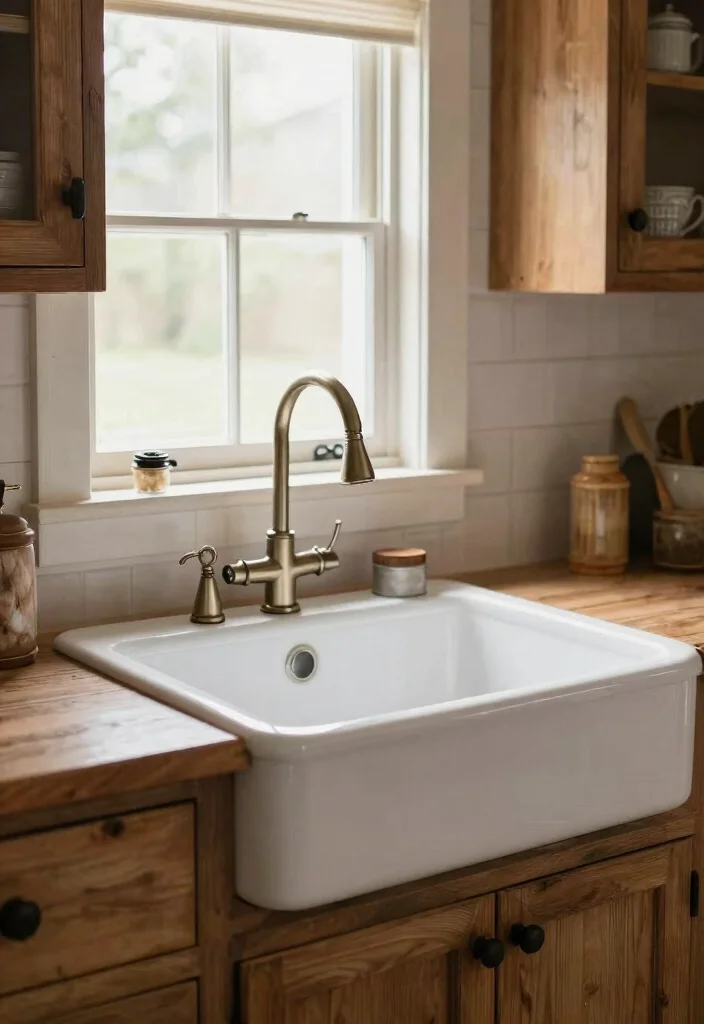
A farmhouse sink is both a practical and stylish addition to any rustic kitchen. This sink type, with its deep basin and exposed front, not only looks appealing but also makes cleaning large pots and pans easier. Its classic design enhances the charm of farmhouse kitchens, seamlessly pairing with rustic decor.
Choose materials like porcelain, cast iron, or even copper for a unique twist. The sink’s design can act as a focal point, drawing attention to charming details around it.
Installation tips:
– Ensure proper plumbing: Farmhouse sinks require specific measurements for installation.
– Consider countertop materials: Pair with durable surfaces that endure heavy use.
– Add stylish faucets: Opt for vintage-style fixtures to complete the rustic look.
A farmhouse sink combines beauty and practicality, embodying the heart of rustic design with every wash.
12. Layer Elements for Depth
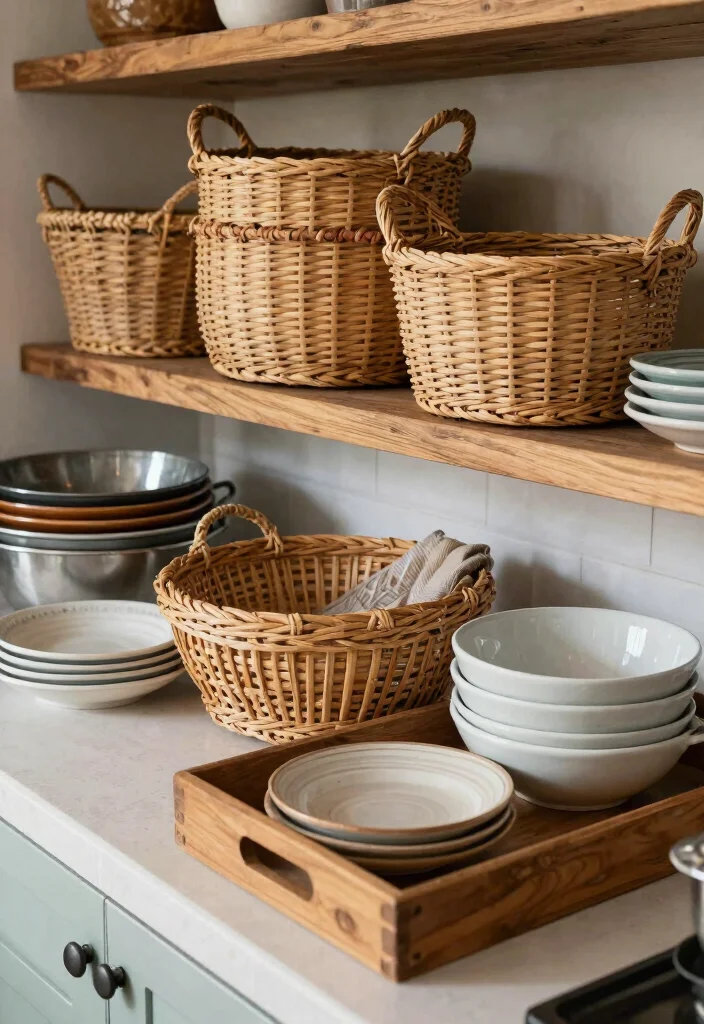
Layering various design elements is essential for achieving a cohesive rustic kitchen style. Combining different textures, colors, and materials creates an inviting atmosphere that feels rich and layered. For instance, pairing smooth ceramics with rough-hewn wood or shiny metal with soft textiles adds depth and interest to your kitchen.
Consider layering accessories like wooden trays, woven baskets, and decorative bowls to curate a look that feels intentional and stylish. This method not only enhances aesthetics but also reflects your personality and style.
For layering:
– Vary heights: Use items of different heights for visual interest.
– Mix materials: Combine wood, metal, and textiles for a dynamic appearance.
– Keep it functional: Choose layered elements that also serve a purpose.
By thoughtfully layering elements in your rustic kitchen, you create a space that feels dynamic, welcoming, and filled with personality, making it a delightful setting for culinary creativity and connections with loved ones.
Fun fact: layering textures can boost perceived warmth by 20% in a rustic kitchen, a key kitchen ideas rustic move. Mix ceramics, rough-hewn wood, and soft textiles to add depth without a full remodel. Start with a wooden tray, woven basket, and decorative bowls for a practical rustic touch.
Conclusion
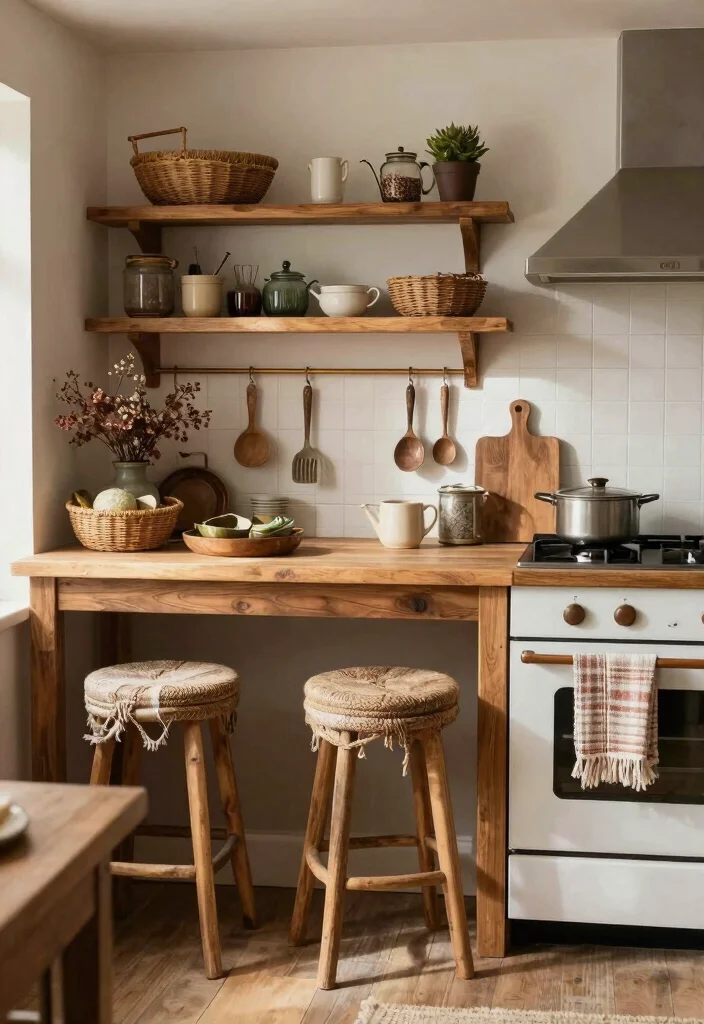
Transforming your kitchen into a rustic haven with warm natural textures is all about choosing the right elements that resonate with your style and personality. From vintage finds to earthy color palettes, every decision contributes to creating a warm and inviting space where memories are made and gatherings happen.
Invite these rustic kitchen ideas into your home, embrace the beauty of nature, and enjoy a cozy atmosphere filled with charm and functionality. Your kitchen can become the heart of your home, reflecting your unique taste while inviting everyone to come together and create unforgettable moments.
Note: We aim to provide accurate product links, but some may occasionally expire or become unavailable. If this happens, please search directly on Amazon for the product or a suitable alternative.
This post contains Amazon affiliate links, meaning we may earn a small commission if you purchase through our links, at no extra cost to you.
Frequently Asked Questions
What are the core elements of rustic kitchen ideas with warm natural textures?
A great rustic kitchen blends kitchen ideas rustic with warm wood accents and natural textures in kitchens. Start with a warm base—think butcher-block countertops or timber cabinets—and layer in stone elements or a brick backsplash. Add character with open shelving and vintage hardware to achieve farmhouse style kitchens and finish with cozy textiles for cozy kitchen design.
Keep proportions balanced and use softer lighting to avoid a heavy feel while still embracing the rustic charm.
How can I use warm wood accents in a farmhouse kitchen without overpowering the space?
Keep it light and balanced: choose lighter woods or distressed finishes, and reserve warm wood accents for a countertop, a small dining table, or open shelving.
Avoid heavy all-wood cabinetry; mix with painted or white cabinetry to keep farmhouse style kitchens airy. Pair with cool neutrals and ensure plenty of natural light for a cozy cozy kitchen design.
What are practical ways to add natural textures in kitchens for farmhouse style?
Layer textures: stone or travertine backsplash, brick walls, terracotta floors, linen curtains, jute rugs, and wicker baskets.
Use natural materials like wood, stone, clay, and woven fibers to create depth. Integrate natural textures in kitchens with open shelving that showcases handmade pottery and baskets. Keep color palette warm neutrals to let textures stand out.
What color palettes work well with rustic kitchen decor to create a cozy vibe?
Warm neutrals are your friend: creamy whites, sand, taupe, and greige pair beautifully with rustic kitchen decor. Add warmth with warm wood accents and subdued greens, blues, or terracotta accents. Avoid stark contrasts; aim for soft, inviting contrasts that enhance farmhouse style kitchens and cozy kitchen design.
Are there easy DIY tips to achieve a cozy, farmhouse kitchen design?
Yes! Start with a few simple projects: repaint cabinets in an antique white or soft gray, install open wooden shelves, swap in vintage-inspired hardware, and replace lights with warm-toned bulbs.
Add natural textures with wicker baskets, a jute rug, and linen towels. Small changes like these deliver big impact for farmhouse kitchen decor and cozy kitchen design without a full remodel.